It was your standard Saturday morning: me, in my pajamas, aggressively not being productive, when my roommate came crashing down the stairs like a woman on a mission. Breathless and buzzing, she pitched an idea that sounded like it belonged in a movie montage:
“Wanna come to Iceland? My cousin and I are going. You can be our travel guide!”
I blinked. Iceland? Land of waterfalls, volcanoes, and weird foods?
It had been sitting patiently on my bucket list, waiting its turn while I continued ghosting Patagonia. But something about the chaos of her energy, the fact that I had literally no other plans, and the allure of Icelandic hot dogs pushed me over the edge.
Next thing I knew, I was elbows-deep in YouTube videos, packing lists, Reddit posts, and exploring google maps. And just like that, I had signed up for the road trip of a lifetime with some amazing friends. In this post I’ll deep dive into our itinerary, places we visited, and activities we did and give you honest feedback about what’s worth it and what I’d do differently.
Logistics:
Travelers tackling Iceland’s Ring Road have two main options for how to start their journey. You’ll land at Keflavík Airport, which sits on a small peninsula about 45 minutes from downtown Reykjavík. From there, you can head either east or west.

Starting in the southeast means jumping right into some of Iceland’s biggest attractions—but also into crowds of tourists, many of whom are day-tripping from Reykjavík. Going west first offers fewer tourists and more solitude, but the sights are more spread out and involve longer stretches of driving between stops.
For our group, I chose to start in the southeast. My reasoning? We had the most energy at the beginning of the trip, and that part of the route has more frequent stops packed into each day. It made for long, busy days—but it was worth it. By the end of the trip, as I predicted, our collective energy had dipped, and I’d much rather skip a lesser-known stop in the north than miss the country’s most iconic waterfall because someone didn’t sleep well and turned into a road trip zombie.
When planning our route through Iceland, I used Google Maps to figure out where we should stay each night. I based it on how many stops we wanted to make between towns and roughly how long I thought we’d spend at each destination. The goal? To avoid cramming long drives into days packed with sightseeing.

As a result, some days were super relaxed—one had only about 1.5 hours of driving total—while others, especially later in the trip, stretched into a 5-hour driving day. If you’re European and reading this, that probably sounds outrageous. But my fellow Americans? You’re likely thinking, “Cool, that’s just a Target run and a drive to grandma’s house.”
Our Pit Stops:
- Reykjavik
- Vik
- Kalfafellsstadur
- Egilsstaoir
- Myvatn
- Akureyri
- Saudhafell
- Keflavik
If I could do it over, I’d add a night in Akureyri after visiting Mývatn (we only stopped for an afternoon), and a night in the Westfjords or on Flatey Island before heading to Sauðafell. We ended up staying two nights in Keflavík because we were using Marriott points, but if budget hadn’t been a factor, I would’ve split it differently—one night in Borgarnes after Sauðafell, and just one night in Keflavík at the end.

Rental Car:
My roommate—luckily over 25—was able to rent our car through Delta. Renting a car in Iceland is expensive no matter what, but if you’re under 25, it’s borderline outrageous. We ended up with a Hyundai Tucson, a 4×4 SUV, just in case we decided to venture onto any F-roads (Iceland’s rougher gravel roads).
While you don’t need a 4×4 to drive the Ring Road itself, some popular spots just off the route require short stretches on F-roads. In those moments, I was really glad we had four-wheel drive—it gave us more flexibility and peace of mind.
Day 1 – Reykjavik to Vik
As I was coming straight from the Faroe Islands (you can check that blog post out here) my group decided to spend one day exploring Reykjavik before I arrived and then picked me up from the airport and drove to our first stop on the road, the charming town of Vik. Vik hosts Iceland’s most iconic Reynisfjara black sand beach with basalt columns and sea stacks. If you google Iceland this place is usually the first image that appears.
Along the way we stopped at some of the most iconic waterfalls in Iceland as well. We went in the evening and into early night, with 24 hour daylight this allowed for less crowds.
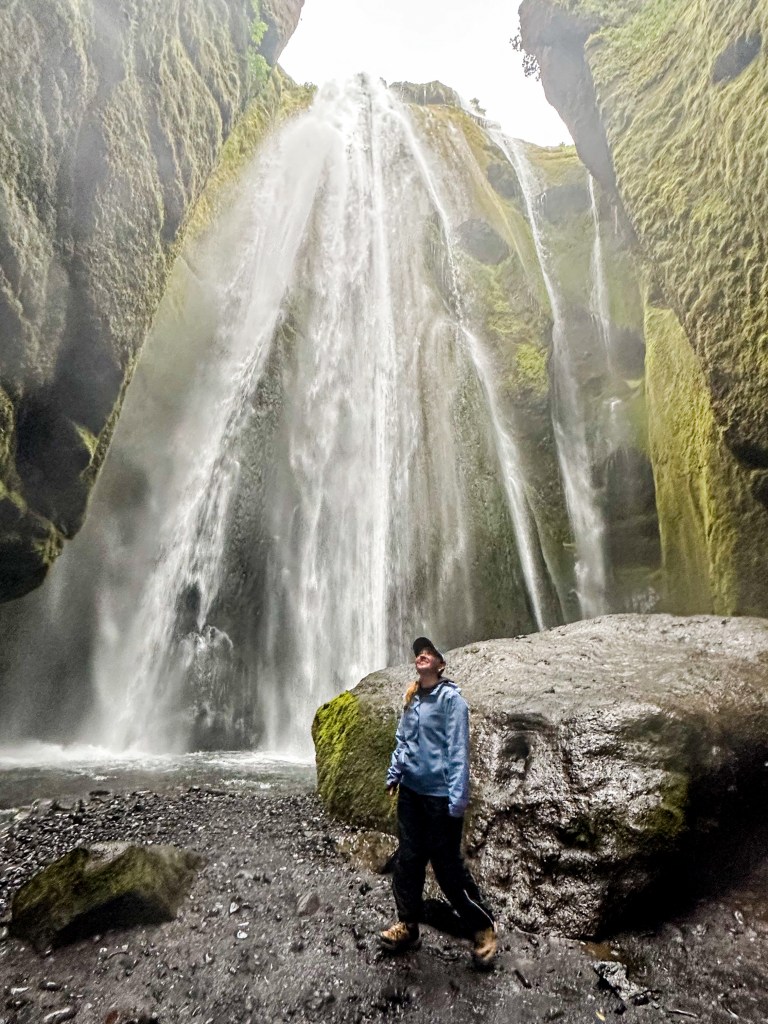
First stop, Seljalandsfoss and Gljufrabui (hidden waterfall) which are conveniently next to each other. Some people skip Gljufrabui because they don’t realize you have to actually walk into a cave to get to it. It ended up being our favorite waterfall due to its unique location, but wear your waterproof clothes for these two stops as you will be getting soaked.
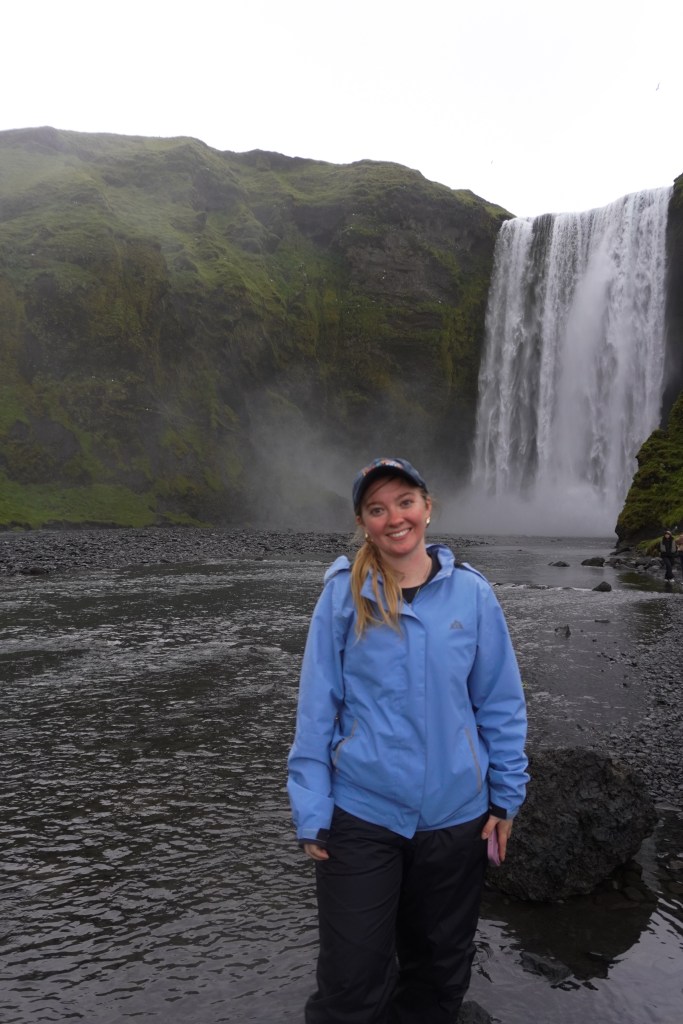
Next stop, Skógafoss. If I think of the ideal waterfall that is equally impressive as beautiful this is probably the one. You can actually camp here overnight if you don’t mind everything you own getting soaked. Allow plenty of time here and you can actually climb the steps to the top of the falls and is also the entrance to the Skóga River Trail (aka Waterfall Way trail) a 10 mile hike along the river that stops at a few smaller falls as well. We decided to skip this hike due to limited time, but is a great option for those on a longer trip.
Another great option is Kvernufoss, we skipped this falls due to it getting really late and after seeing three in a row you start to think they all look the same.
We wrapped up the night at a hostel only 5 minutes from Reynisfjara beach which I’d highly recommend that has a fully stocked kitchen for guest use. Keep an eye out for my next post where I’ll discuss all the places we stayed along the way.
Day 2 – Vik to Kalfafellsstadur
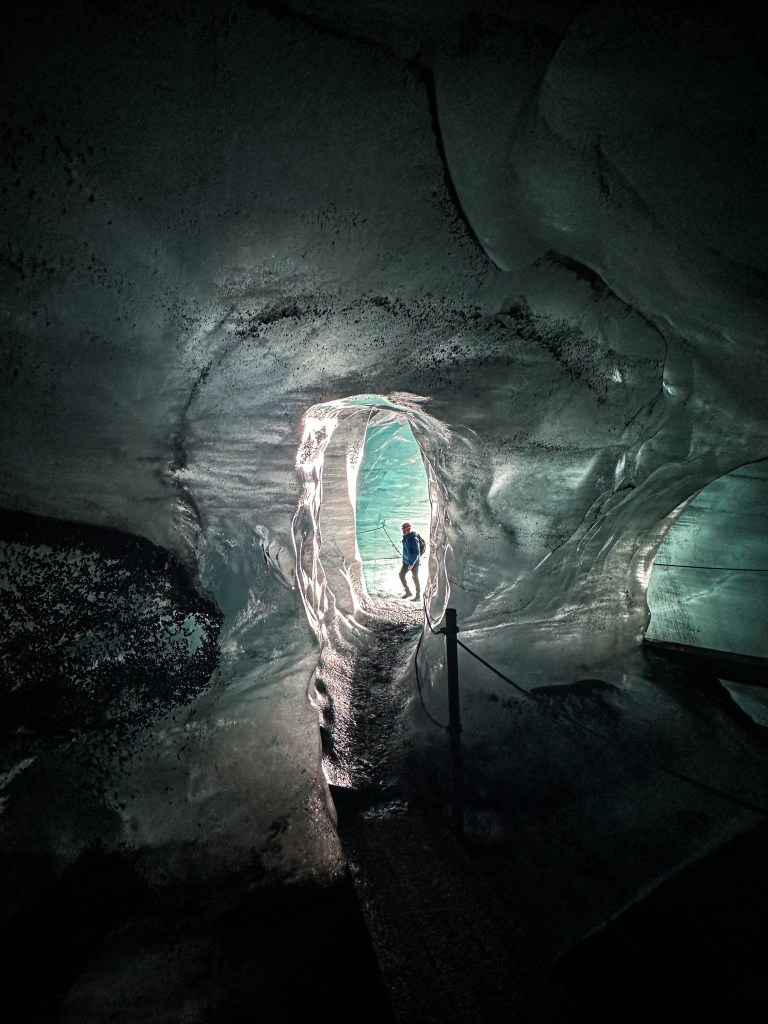
Kalta Ice Cave: Our group was up bright and early for the Kalta Ice Cave excursion with Arctic Adventures. This tour picks you up at a a shopping mall in a giant monster truck van. From here you’ll drive the volcanic rock roads through beautiful purple fields of Nootka lupines to the Kalta glacier. From here we trekked up the glacier with spikes provided by our tour to a natural ice cave. This tour offered beautiful views and a bucket list experience you won’t forget, however, if I’m being totally honest, it’s severely overpriced. Since this is a natural ice cave and we visited in the peak of summer, it’s a pretty small cave. There’s also a ton of tours coming to it. We were the first tour of the day and we only spent maybe 10 minutes in the heart of the cave. I thought surely we were going to another cave, nope, that’s it. You are ushered in, take a quick photo, and then ushered out. It’s an experience you won’t get almost anywhere else in the world except for maybe Alaska, however, for 200 USD per person, I have a hard time honestly recommending it. If you think you’ll go to Alaska or come in the winter time to Iceland, I’d hold off and try one of those excursions instead. However, if this is your only opportunity to do this or you think you’ll regret skipping it, do it. There’s nothing worse than spending tons of money to go somewhere and not doing the things you really wanted because of a few hundred dollars.
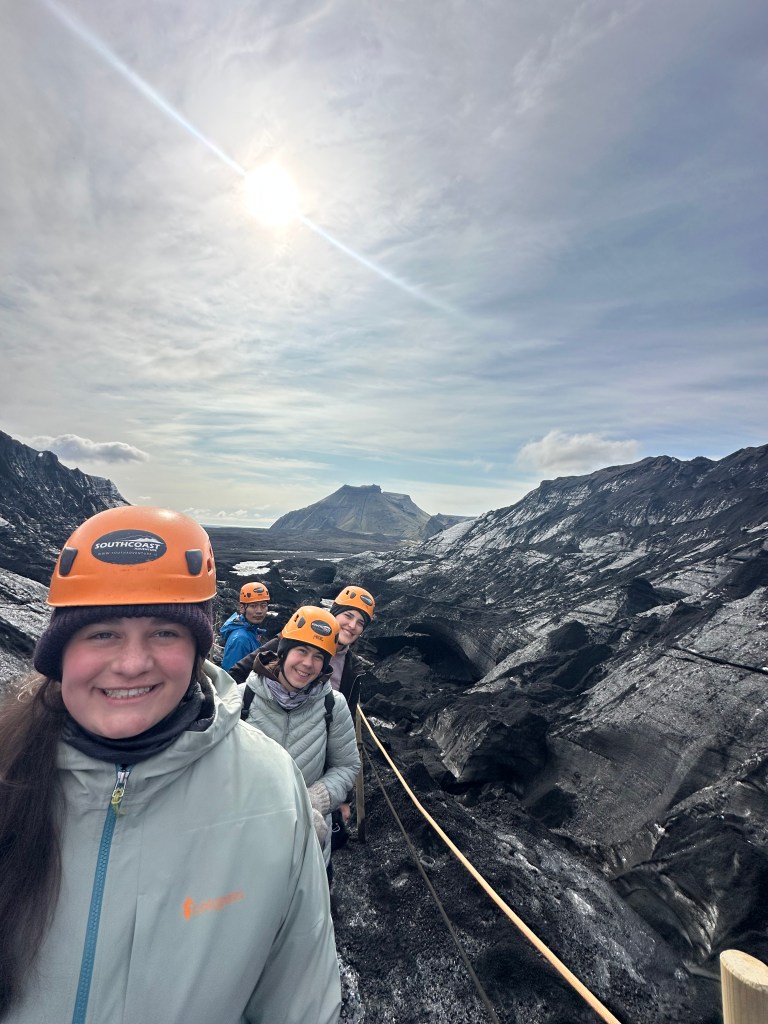
We used Arctic Adventures for our tour and I booked with them through GetYourGuide since it allows delayed payment and cancelations up until a few days prior. I also get 8-15% back when I pay with a Capital-one card using GetYourGuide. I have no complaints about the tour guide or transportation, it’s just a bit too expensive compared to other tours we did.
After our tour, we stopped by a local coffee shop and made our first visit to Krónan, one of Iceland’s main grocery stores. We ended up buying nearly all our food from Krónan throughout the trip—and honestly, considering how many of their ham and cheese croissants I devoured, I should’ve asked for a sponsorship.

Reynisfjara Black Sand Beach: After lunch, we explored both sides of Reynisfjara Beach. The main area—home to the famous basalt column wall—was absolutely packed, so if you want decent photos (or personal space), I highly recommend going either early in the morning or later in the evening.We ended up visiting in the afternoon after reshuffling our plans the night before due to exhaustion, which meant getting a photo without a dozen people in it was basically impossible. Still, the scenery was stunning and well worth it.On the quieter side of the beach, things were much more relaxed. We took our time lounging on the black sand and climbing around the rock pier—it was a nice contrast to the chaos on the other side.
Dyrhólaey Viewpoint: Located near Reynisfjara, Dyrhólaey offers stunning views of a massive sea arch, dramatic cliffs, and a picturesque lighthouse. Unfortunately, it was closed during our visit because it serves as a protected nesting area for several endangered bird species—including puffins, who build their nests along the cliffs in the summer. The viewpoint is occasionally open to the public, but during peak tourist season, it’s often closed to help protect the wildlife.
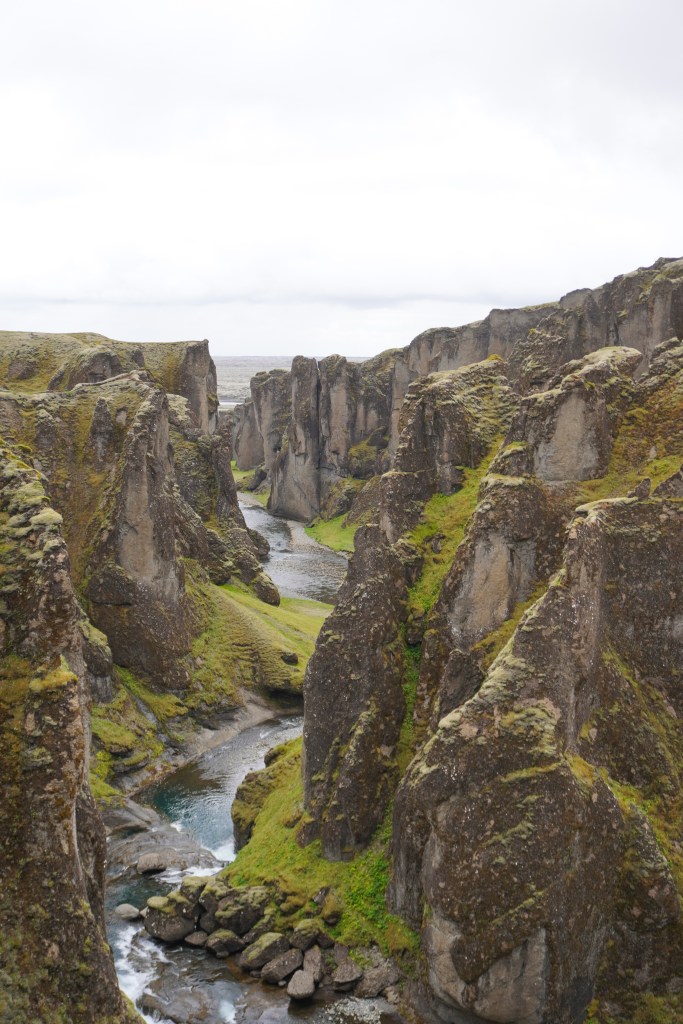
Fjaðrárgljúfur: On our way to Kalfafellsstadur we stopped at Fjaðrárgljúfur canyon. This can be a pretty quick stop, but also offers a bathroom if you’re in need of one. A fairly easy and quick hike out and back that offers a unique canyon covered in moss and a copper like waterfall and aqua blue water.
We settled in for the night at our hostel outside of Kalfafellsstadur only 10 minutes from tomorrow’s excursion at Jökulsárlón Glacier.
Day 3 – Kalfafellsstadur to Egilsstaoir
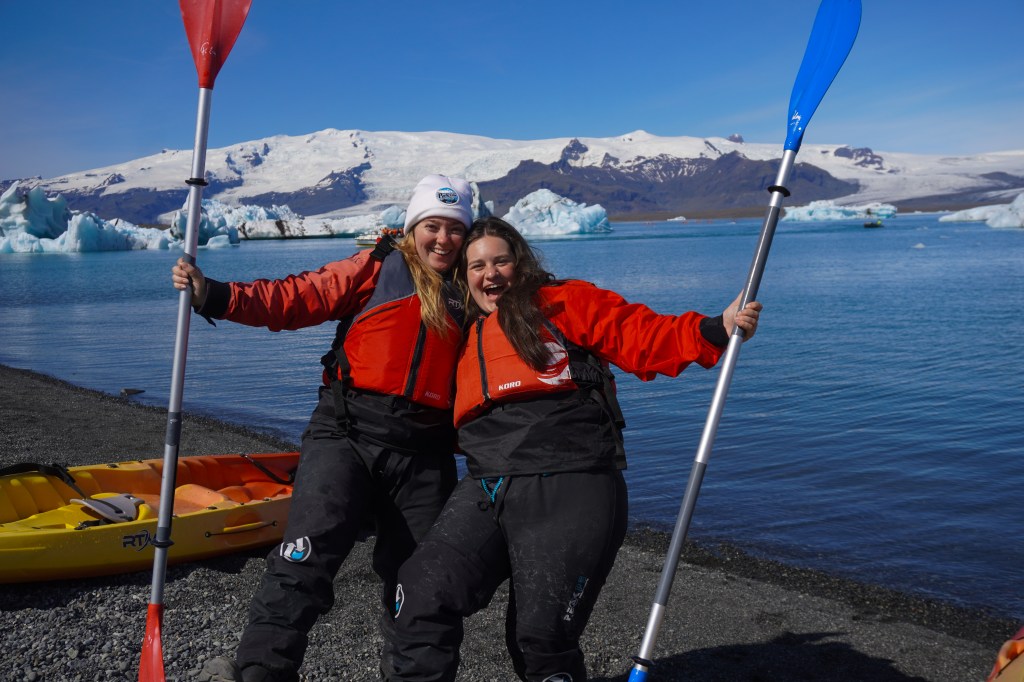
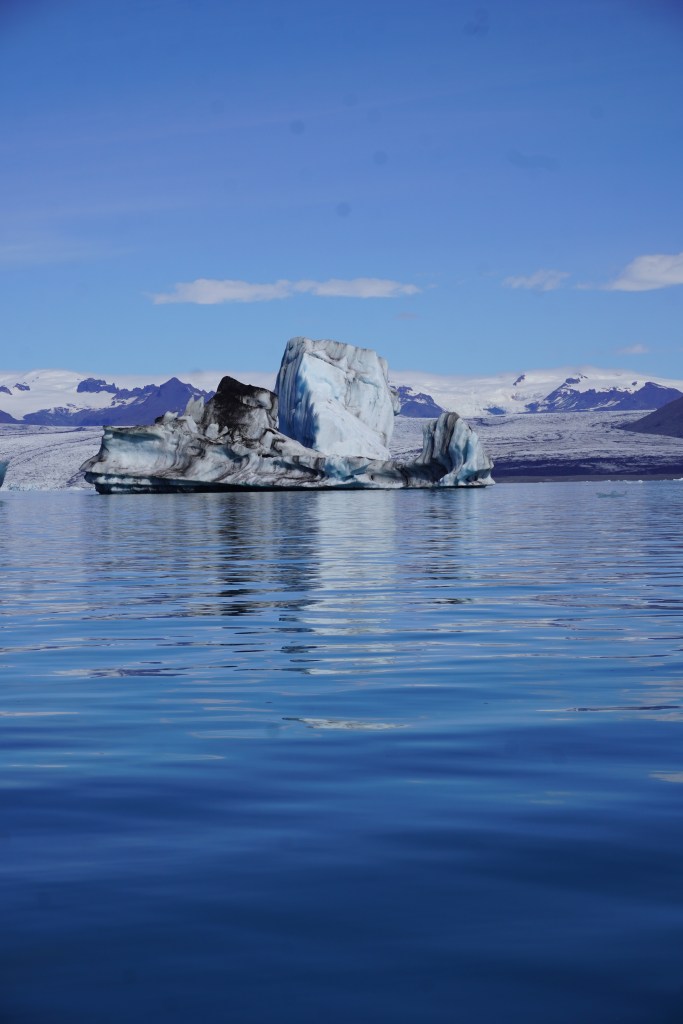
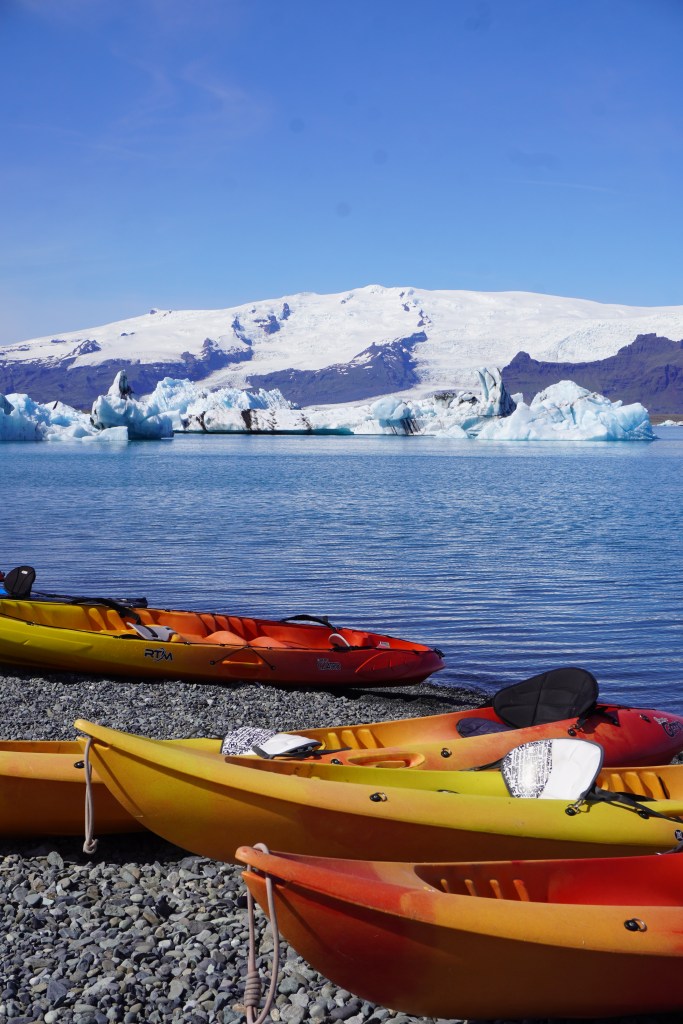
Jökulsárlón Glacier Lagoon: In the morning we back tracked 10 minutes to the lagoon where we began my favorite excursion of the trip, kayaking in Glacier Lagoon. We booked with Iceguide, who I’d highly recommend. They provide you with a full wetsuit, jackets, boots, and life jackets and a place to store your things. The water is stunningly blue and you’re given plenty of time to explore, take photos, and kayak around the floating icebergs from a safe distance. For half the price of the Kalta Ice cave tour this tour is a no brainer. I booked most of our tours at the earliest time slots so that we got to enjoy places without a big crowd, I think this was perfect for this excursion as we had no people or other tours in our photos and really got to enjoy how peaceful it is there. After our tour we explored the diamond beach and got to admire some seals sun bathing on icebergs.
East Coast Driving: The rest of the day was planned as a slower driving day—meant to cover some ground while soaking in the dramatic, rugged beauty of Iceland’s east coast. Along the way, we made a quick stop at Hvalnes Lighthouse. While the lighthouse itself wasn’t particularly exciting, the surrounding mountain views were absolutely worth the pull-off.
We also stopped at the Viking Café, which offers access (for a fee) to a replica Viking village used as a movie set. We opted to skip the tourist attraction and instead fueled up with coffee and snacks before hitting the road again.

From there, we drove to Breiðdalsvík, where we decided to leave Route 1 and take a bit of a gamble—our first F-road (unpaved gravel roads that require a 4×4 vehicle). The detour was meant to save time and get us to our next major stop, Hengifoss, a little quicker. By doing this, we skipped a small portion of Route 1 and chose to pass on visiting Easter Cave, which would’ve taken us far out of the way from our hostel that night.
It was also a big day for my roommate and our fearless driver—she faced her fear of F-roads head-on and crushed it. We took Routes 95 and 931, shaving about an hour off the drive.
Hengifoss: itself was a highlight. The waterfall is striking, framed by dramatic basalt formations and red strata in the cliff walls. Just be warned: the hike is no joke. Budget a few hours if you want to go all the way to the base. We spent nearly three hours there and rolled into our hostel around 9 p.m.—tired, but totally worth it.
Day 4 – Egilsstair to Myvatn
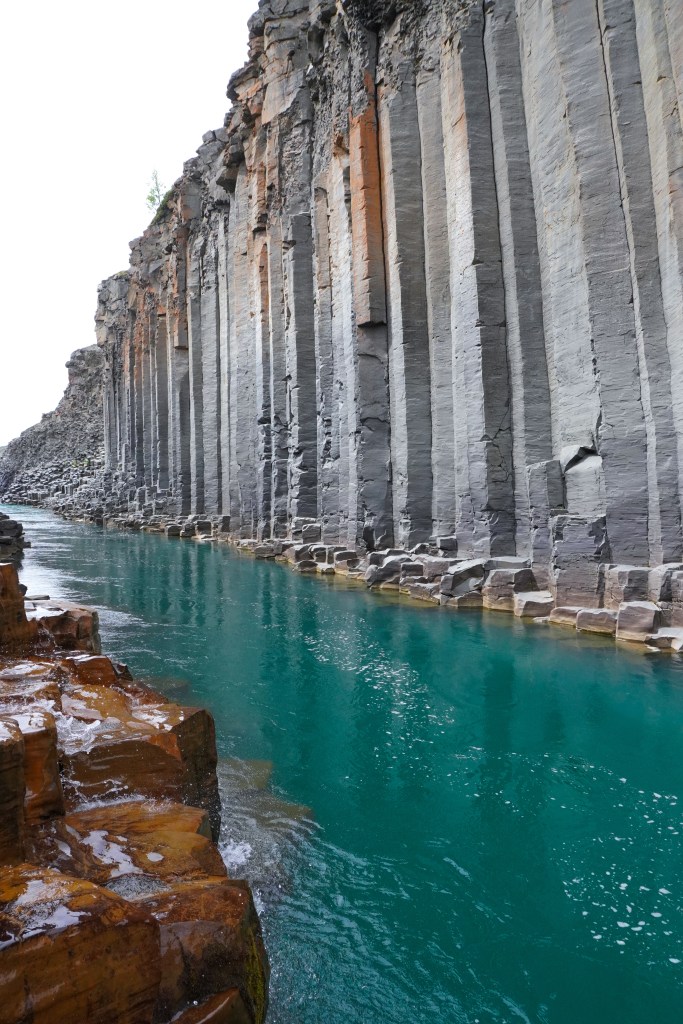
Today’s drive was on the lighter side—just about two hours on the road, not counting any detours. We took it easy, slept in, and then made our way to our first stop: Stuðlagil Canyon.
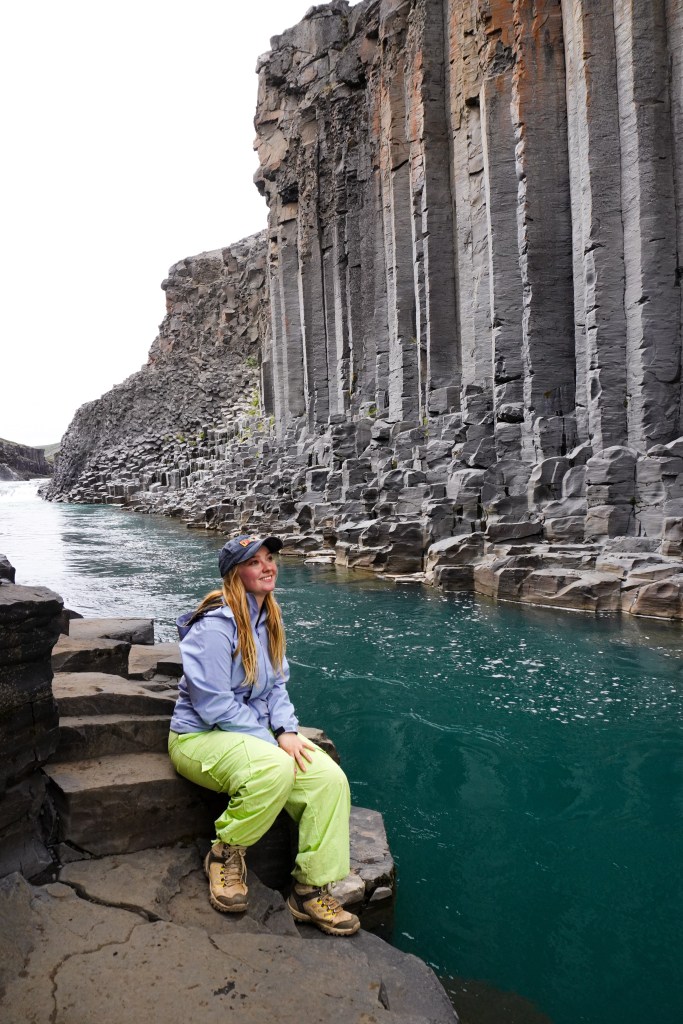
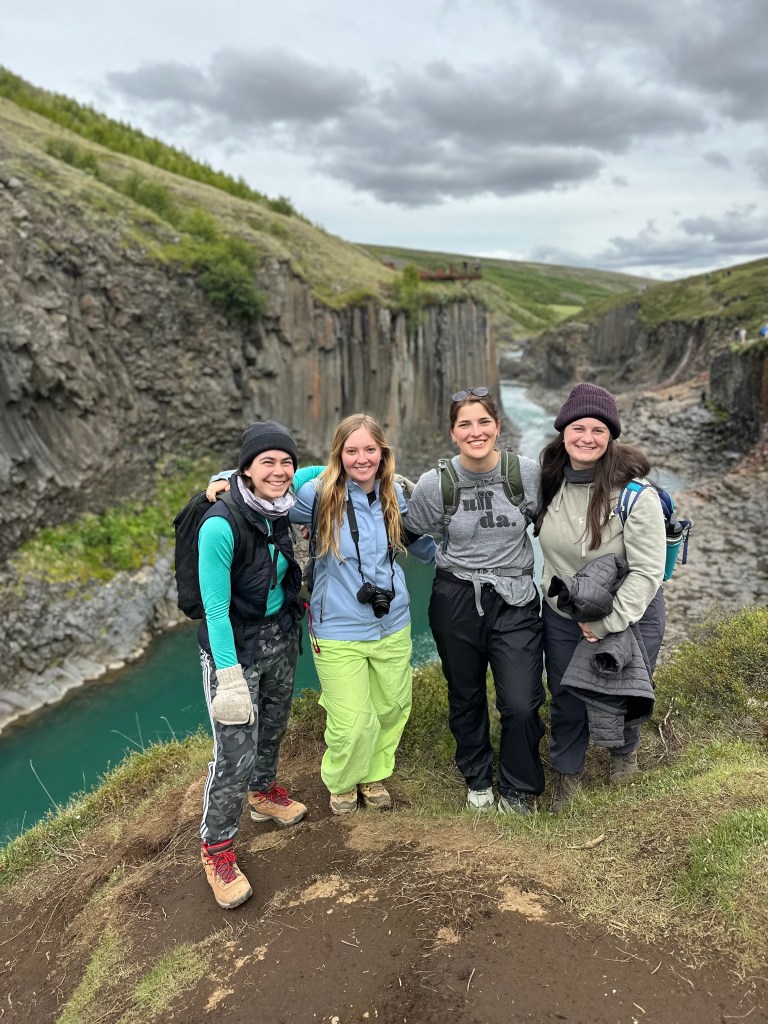
Stuðlagil Canyon: This was hands-down my favorite stop of the entire trip. I’d had it saved on my Pinterest board for years, and it did not disappoint. To get there, you’ll take Route 923—a bumpy road that’s currently being paved, so it likely won’t be classified as an F-road for much longer.
Plan to spend several hours here. The hike to the canyon is a decent distance, but absolutely worth it. I chose to climb down into the canyon and carefully make my way across the basalt columns—which I highly recommend. Yes, there are a few slightly sketchy spots where you might slip into the water, but it’s all part of the adventure.
The scenery is unreal: towering gray basalt cliffs and surreal blue water that looks Photoshopped, but isn’t. It’s like stepping into another world—and every photo looks like a postcard.
Dettifoss Waterfall: From there, we made our way to Iceland’s most powerful waterfall, Dettifoss. You have two options to reach it: Route 862, which is fully paved and leads to the west side of the falls with a nice overlook, or Route 864, a rougher F-road that takes you to the east side—directly in front of the waterfall—for a far more dramatic view. Route 862 is the more popular and accessible choice, but it comes with crowds and a more side-angle perspective.
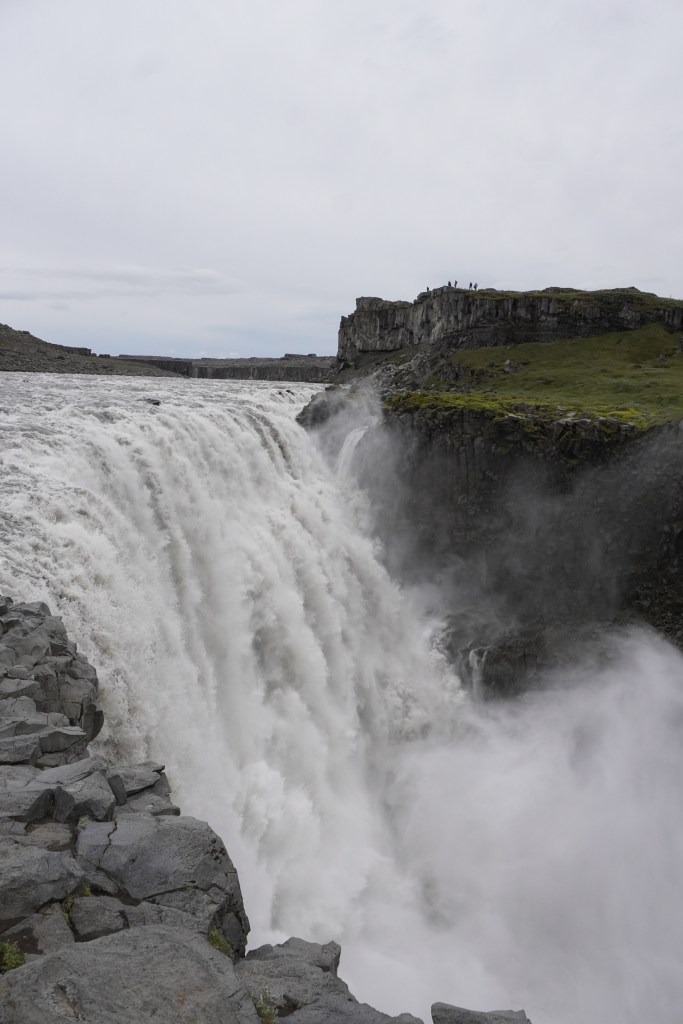
We opted for Route 864 and didn’t regret it for a second. Though it requires a 4×4 vehicle, it was well worth it for the up-close view and the near-total lack of other tourists. We could actually see the crowds across the way on Route 862, all gathered at the overlook with no direct line of sight to the full force of the falls.
Pro tip: Google Maps might say Route 864 is closed—it often is in the winter—but if the gate is open when you arrive, you’re good to go.
We had originally planned to stop at Krafla Volcano afterward, but after several late nights in a row, we decided to check into our hostel in Mývatn a bit early and take it easy. After surviving on a diet of mostly ramen and Krónan croissants for days, we treated ourselves to dinner out. We found a local spot (whose name I can’t remember for the life of me) and, in true American fashion, all ordered burgers.
Recharged and a little less hangry, we decided to go on the hunt for some natural hot springs.
Secret Fissure Hot Spring: There’s a hidden hot spring in the area that we were determined to find. And we did find it—but it’s now gated and plastered with “No Trespassing” signs. It sits on private land, and based on a few Reddit threads, the owners are no longer tolerating sneaky visitors thanks to an increase in tourist traffic. Not wanting to get chased off Icelandic farmland (or worse), we played it safe and moved on.
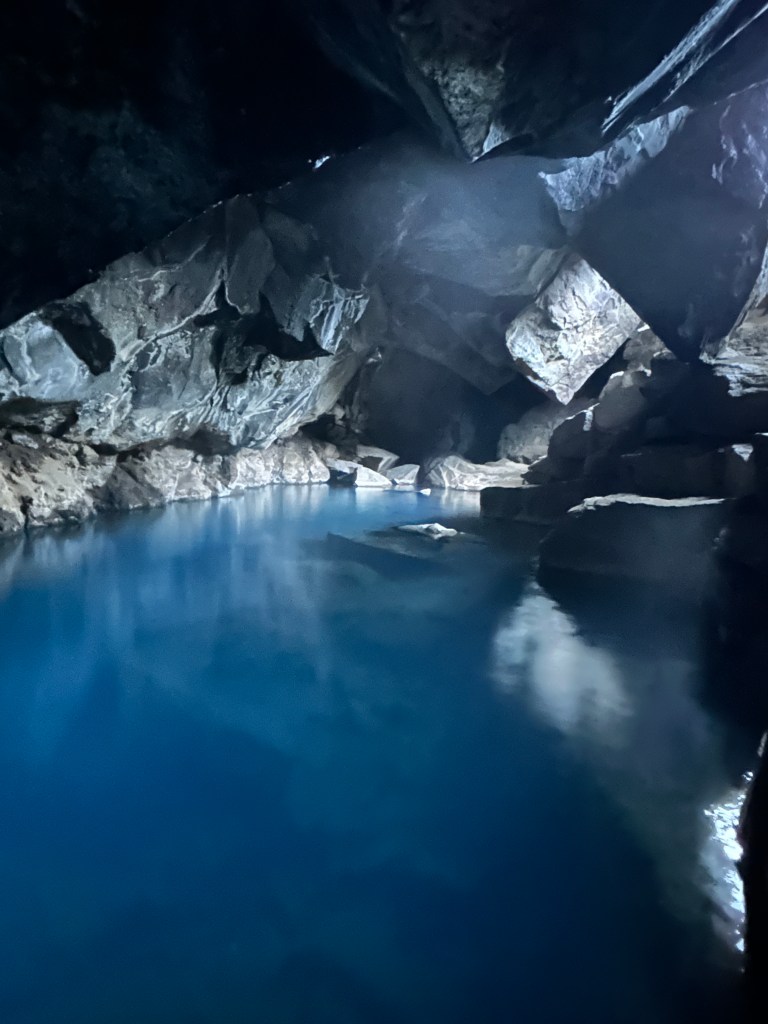
Grjótagjá Cave: Instead, we checked out Grjótagjá, also known as that cave where Jon Snow lost his virginity in Game of Thrones. While it looks like the perfect hidden hot spring, swimming here is no longer allowed—and for good reason. The water temperature fluctuates wildly and has been known to reach near-boiling levels. Basically, if you want to avoid being soup, don’t get in.
We visited late at night, and even just dipping our feet in was intense. It took me ten full minutes to ease my foot all the way into the water—it was that hot.
If you’re looking for a safer (and legal) soak, check out the Mývatn Nature Baths. It’s a more budget-friendly alternative to the Blue Lagoon, though it does come with a pretty strong sulfur smell. Trade-offs.
Day 5 – Myvatn to Akureyri to Saudhafell
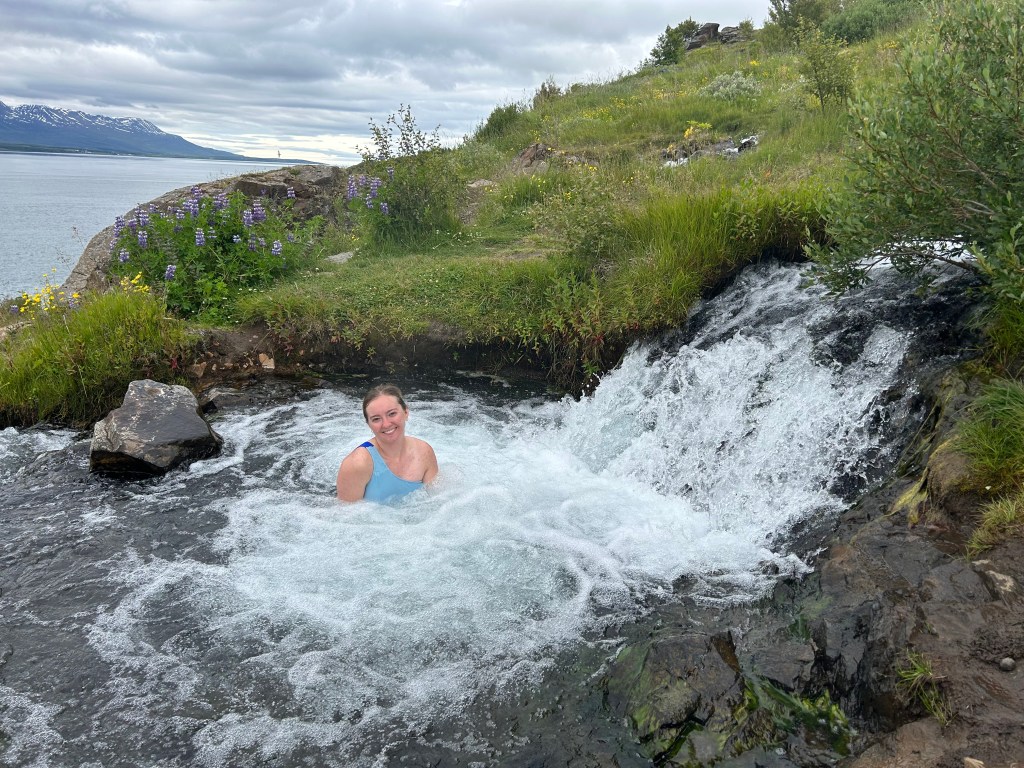
We started the day with a scenic 1.25-hour drive from Mývatn to a hidden gem near Akureyri: Foss, a natural hot spring tucked into the hillside with a view that feels like something out of a fantasy novel. Nestled just above a cascading waterfall, this hot spring is both remote and rewarding. Getting there required parking otherwise in the middle of nowhere (and GPS cooperation), the term “hot spring” was generous, maybe lukewarm. I was freezing. However, I’ll never forget the experience or view and I’m sure the water temperature fluctuates often. I’ve marked this location on my google maps guide.
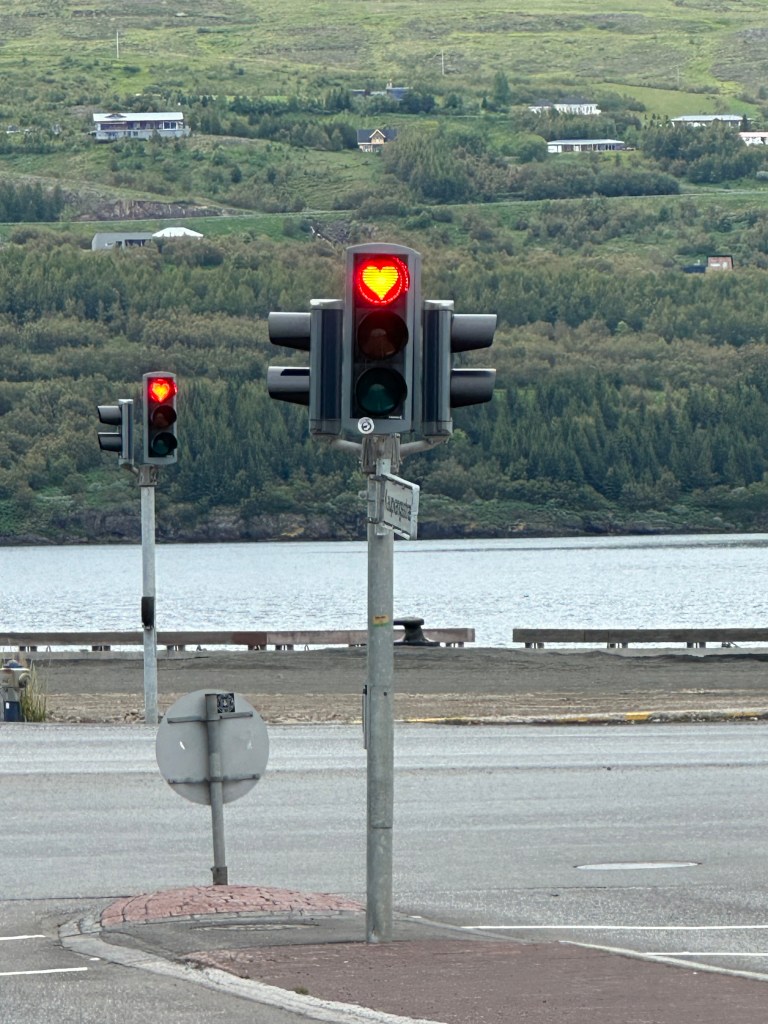
After drying off and rejoining civilization, we headed into Akureyri for a few hours of relaxation at the Forest Lagoon—a sleek, modern geothermal spa tucked into a forested hillside just outside the city. With infinity pools overlooking the fjord and saunas built into the hillside, it was the perfect way to unwind after days of hiking, F-road driving, and questionable sleep schedules.

Post-soak, we made our way into downtown Akureyri, Iceland’s second-largest city (though still very walkable and charming). We spent some time exploring the shops, picking up souvenirs, and enjoying the chill, creative vibe of the town. A stop at Bláa Kannan Café—one of the most iconic coffee shops in the city— a bit overpriced, but cute. It’s hard to miss with its bright blue exterior and Iceland flags.
After another stop at Kronan for more ham and cheese croissants and yogurt we hit the road again—this time heading toward Sauðafell Guesthouse, our stop for the night at the base of the Westfjords.
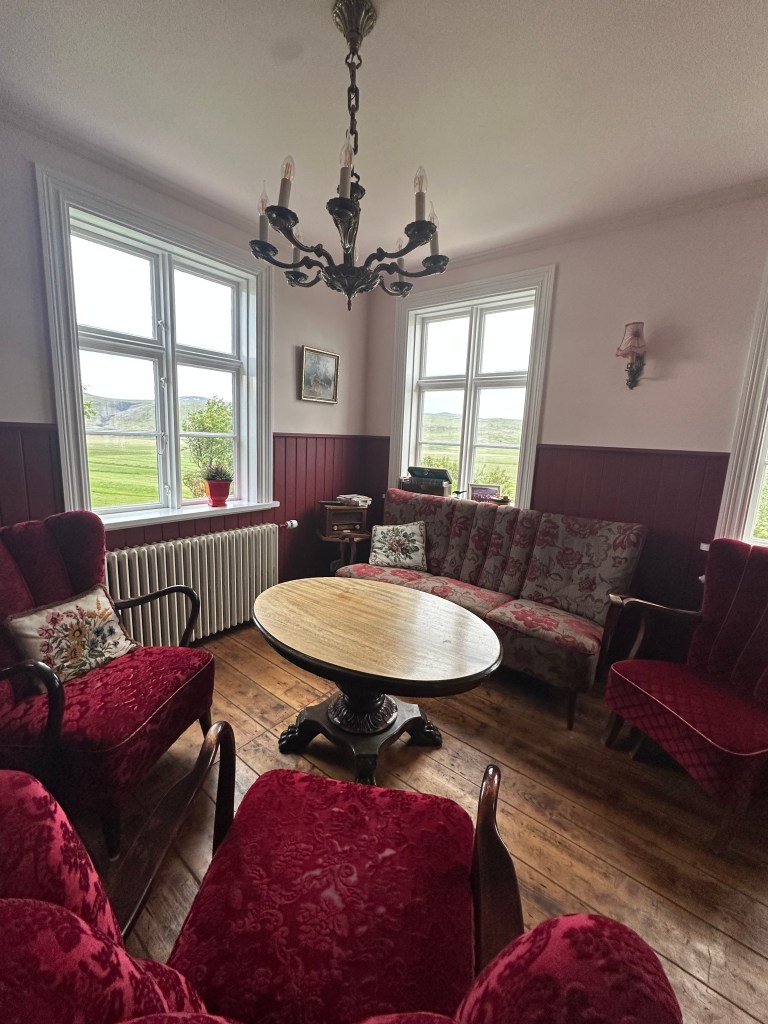
The drive offered a dramatic shift in scenery, with winding coastal roads, sheep-filled fields, and the rising silhouettes of the Westfjords in the distance. By the time we arrived it was around 8pm but still clear as day. Sauðafell Guesthouse was by far our best stay, a beautiful farm home that has been in the family for generations and a lovely couple to share their history and life with you. I’ll talk more about them in my next post, but if you plan to stay in the area, I highly recommend and they could really use the support.
Day 6 – West Fjords & Flatey Island to Stykkishólmur & Kirkjufell

We started our day early, setting out on a 2.5-hour drive to Brjánslækur, a remote port on the southern edge of the Westfjords. The landscape along the way was rugged and breathtaking—empty roads winding between jagged cliffs, with ocean views that made every curve of the drive feel cinematic. Our destination: the Ferry Baldur, which departs once daily for Flatey Island at 2:00 PM.
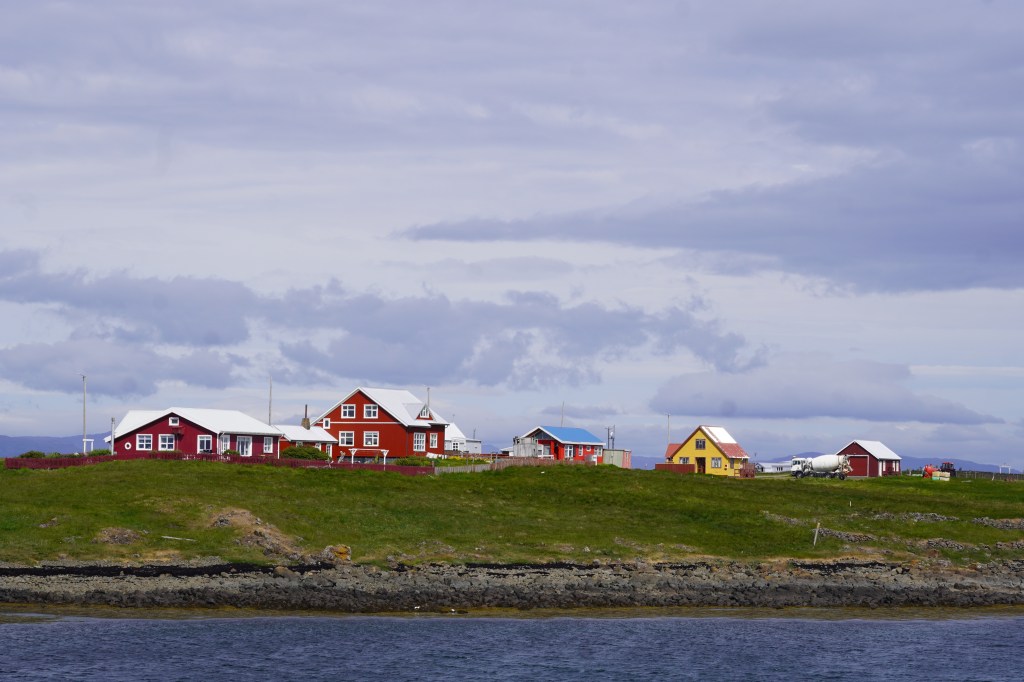
Flatey, meaning “Flat Island” (and it lives up to the name), is a small, car-free island located in Breiðafjörður Bay. Once a bustling hub for fishing and trade, today it’s a quiet haven for seabirds—and a magnet for puffin lovers. The island has just a handful of permanent residents, a charming hotel, and a few colorful houses that look like they’ve been pulled straight from a storybook. Sadly, the ferry only made a brief stop there on our route, so we didn’t get the chance to explore as we had hoped or spot puffins nesting along the cliffs. Next time, Flatey.
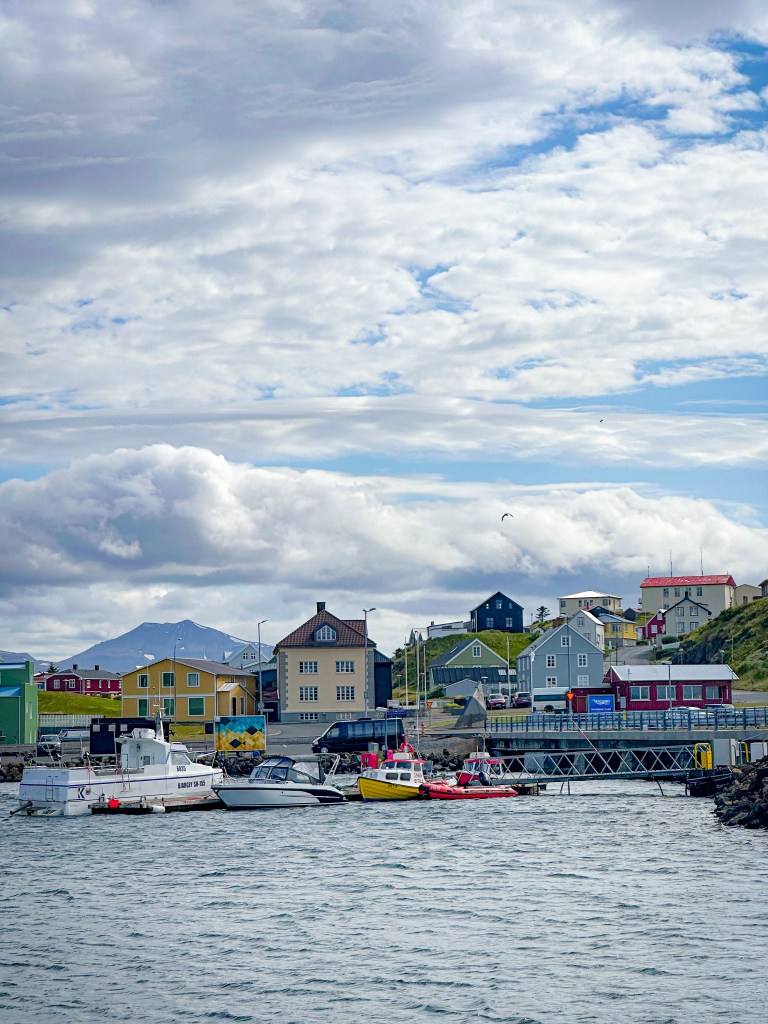
We continued on the ferry to Stykkishólmur, a charming coastal town made famous by one of my favorite movies, ”The Secret Life of Walter Mitty”, where I was geeking out the whole time. As soon as we arrived, we took time to wander the town’s colorful streets including a picturesque coffee shop. Our favorite stop? A lovely local wool shop, where we couldn’t resist buying souvenirs—think cozy hats, mittens, and sweaters — I walked away with a beautiful neck scarf and homemade jam.

Dinner that night was a serious highlight. We stumbled into Narfeyrarstofa, a cozy, locally-loved restaurant where we ordered fish and chips that turned out to be the best we’ve ever had. Perfectly crispy, flaky, and fresh from the nearby waters—it was one of those meals you talk about for days afterward.
With full stomachs and happy hearts, we drove onward to Kirkjufell, famously known as “the lonely mountain” and one of the most photographed peaks in Iceland. We arrived at our nearby hostel around 9pm as usual, the mountain standing watch in the distance.
Day 7 – Kirkjufell – Borganes – Keflavik
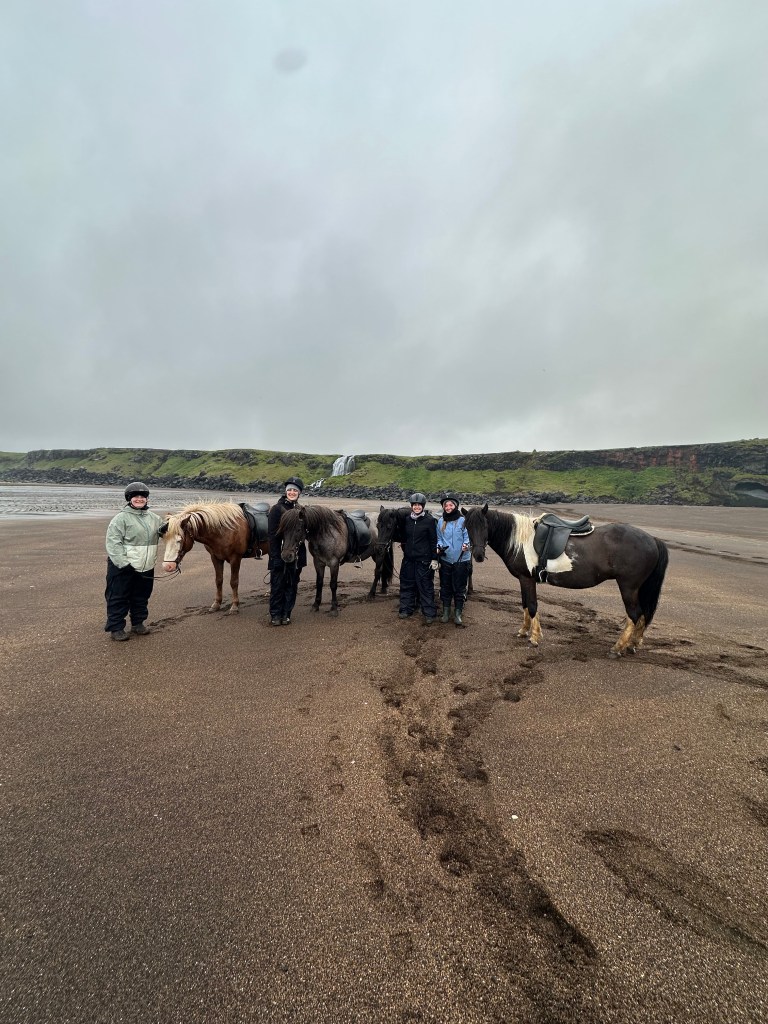
We hit the road early, leaving around 8:00 AM and making the 45-minute drive to Stóri-Kambur for our horseback riding tour along the black sand beaches. The ride lasted two hours and was one of the most memorable experiences of the trip—despite the rain that stuck with us for most of it. If you’re planning this ride (and you should!), make sure you bring waterproof clothing. Icelandic weather does not care about your outfit choices.
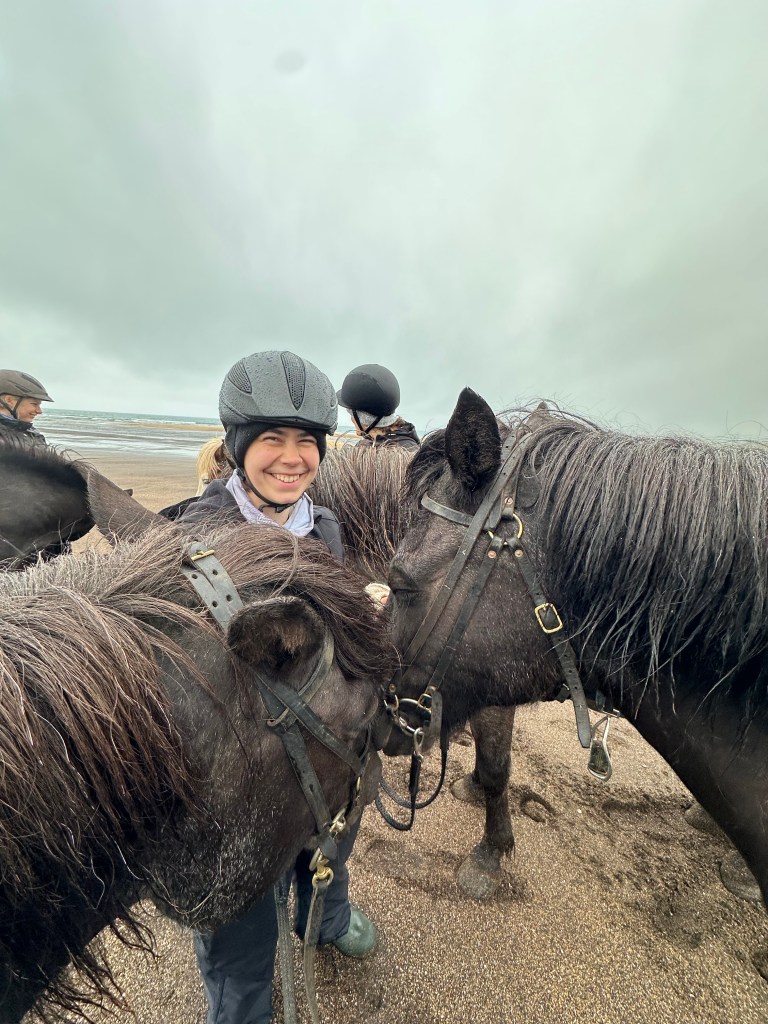
The horses, true to Icelandic breed, were gentle, sure-footed, and surprisingly fun to ride—even for beginners. We even got to try cantering, which, for the uninitiated, is that magical in-between speed that’s faster than trotting but not quite galloping. Everyone in our group loved it, rain and all.
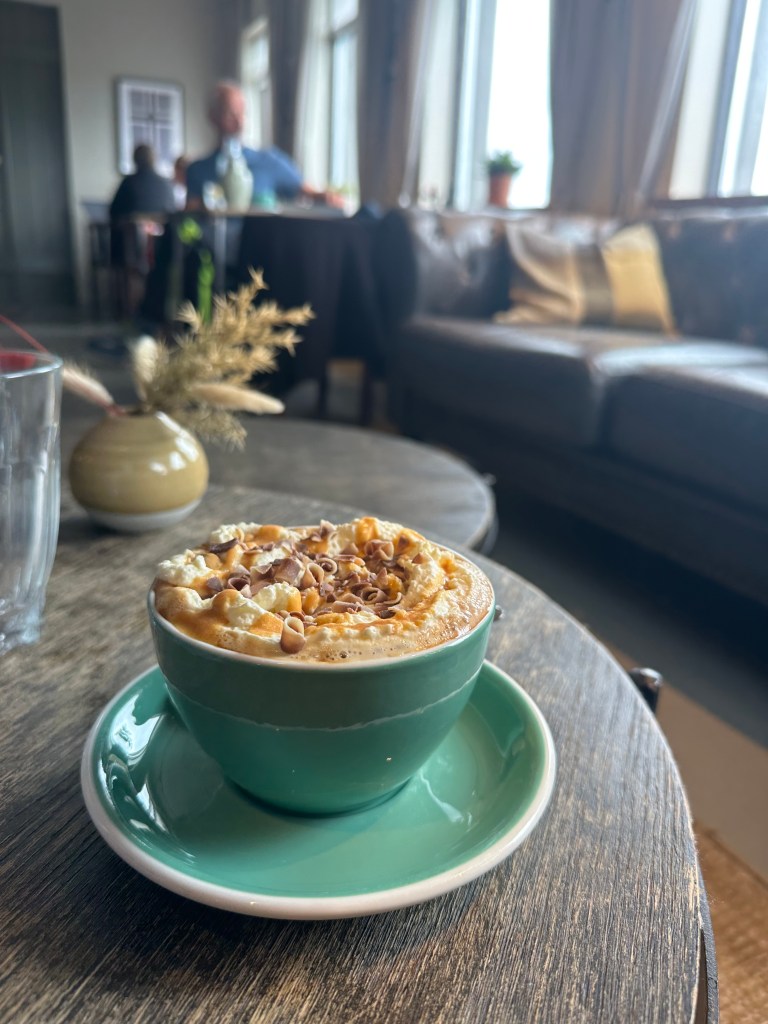
After drying off, we drove on to Borgarnes, where we made a collective decision to take it easy. We were all pretty drained at this point in the trip (no surprise—I’d already been through the Faroe Islands before this!), so we grabbed a cozy corner at a local coffee shop and chilled for a few hours, sipping warm drinks and letting our legs recover from the ride.
Originally, we’d planned to see more in the area—there are a ton of hot springs nearby if you have the energy—but as I had predicted, we ended up skipping a few things in favor of some much-needed downtime.
Later in the day, we made a stop at Eldborg Crater, a dormant volcano that’s relatively easy to hike. The rest of the group took on the trail and climbed into the crater, while I embraced the art of travel napping and took a break in the car. No regrets.
Dinner was a quick and very Icelandic pit stop at a gas station, where we grabbed their famous hot dogs. I’ll be honest—after all the hype, the hot dog was… fine. Not bad, not amazing. But hey, it’s part of the Iceland experience, and now we can say we’ve done it.
We wrapped up the day by checking into the Keflavík Marriott. Exhausted but content, we fell into bed with the satisfaction that comes from horses, volcanoes, and surviving the relentless Icelandic wind in style (sort of).
Day 8 – Reykjavik & Thingvelir National Park
Our last full day in Iceland started off exploring downtown Reykjavík, weaving our way through local shops where some of us picked up some sweet little charm necklaces and a handful of postcards to remember the trip by. Each store had its own personality, and it was fun just wandering, browsing, and soaking in the local vibe.
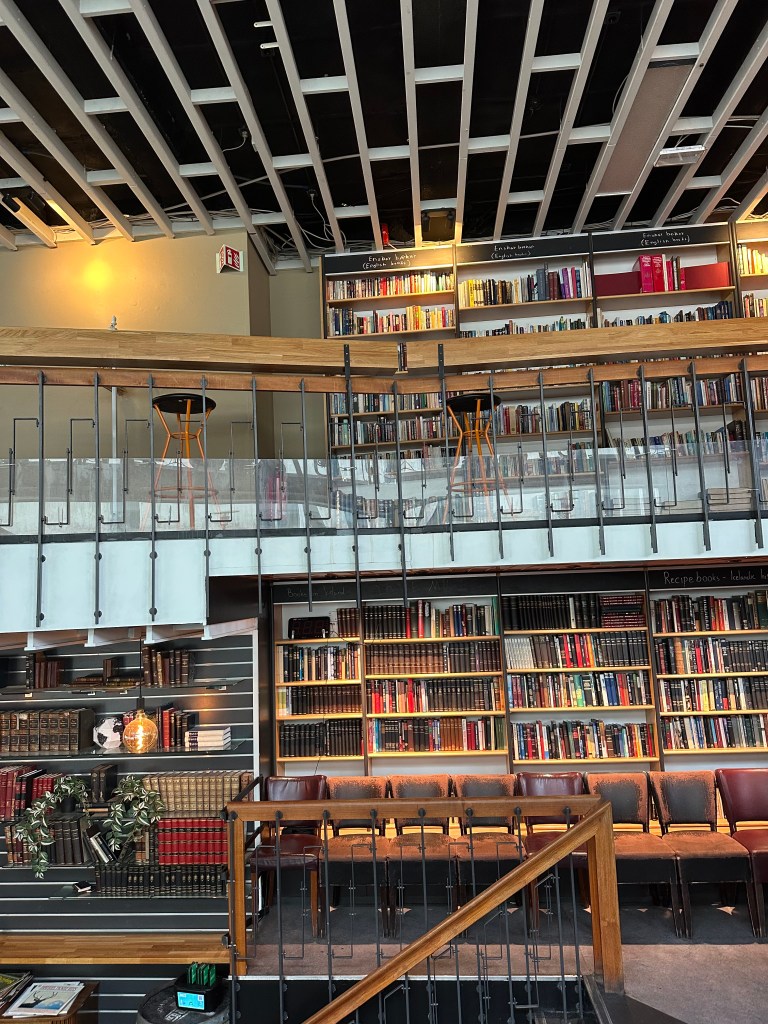
Midday, we stopped by a really unique spot that doubles as a bar, coffee shop, and library — Hús Máls Og Menningar, also known as The Bookstore Bar. It was the kind of place you could spend hours in, flipping through books with a latte in hand or chatting over a glass of wine. Reykjavík really knows how to mix culture and comfort.
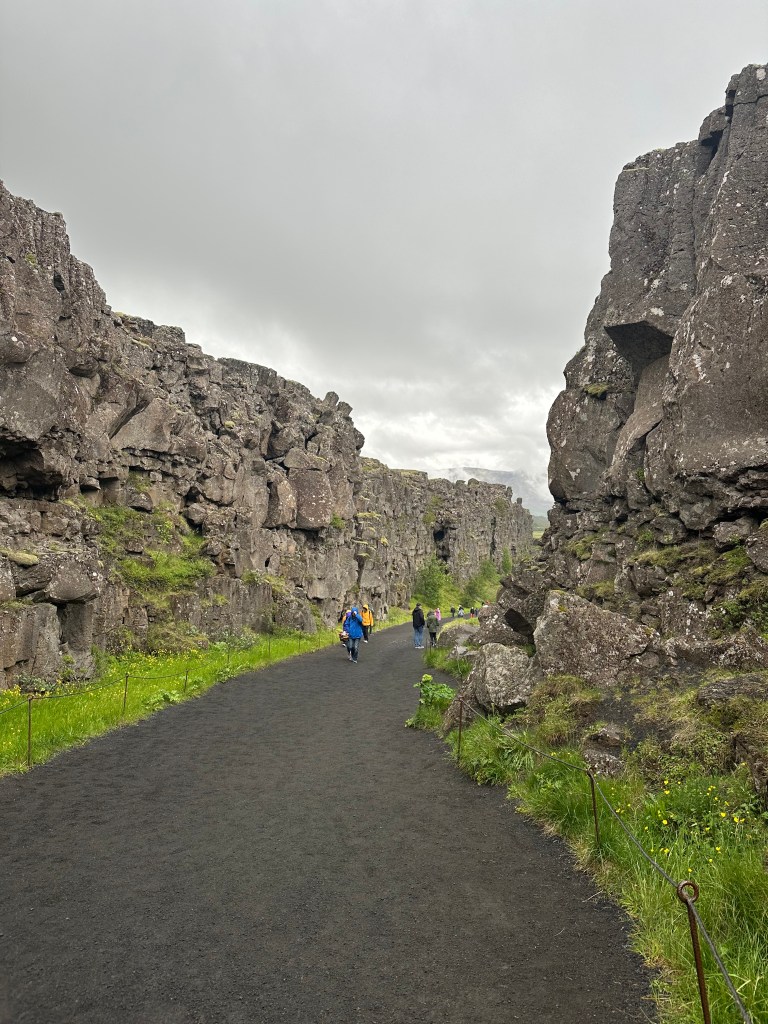
After fueling up, we set off for Þingvellir National Park, one of Iceland’s most iconic natural wonders. There, we had the surreal experience of walking between the North American and Eurasian tectonic plates. The landscape was stunning—peaceful lakes, wide open trails, and to our delight, a group of ducks and their ducklings paddling around nearby.
We ended the day at Start Keflavík Hostel, a super convenient and comfortable place to rest up before our early flight the next morning.
Pro tip: I utilized the local bus to get to the airport. The stop is about a 15 min walk from the Start Hostel, but it costs only $3 USD verses a $50 Uber.
What to Pack for Iceland:
When packing for a summer trip to Iceland (or even the nearby Faroe Islands if you choose to double up like me), it’s essential to prepare for all kinds of weather—often in the same day. Bring a true waterproof jacket and pants, not just water-resistant ones, as the rain can be frequent and unpredictable. Sturdy hiking boots are a must for navigating Iceland’s rugged trails, and wool socks and wool base layers are ideal—they wick moisture, keep you warm even when damp, and dry quickly. Since temperatures can shift quickly from cool to colder, layering is key—so pack plenty of warm layers you can add or remove throughout the day. Even in summer, Iceland’s elements are no joke, so gear up accordingly and you’ll stay comfortable no matter what the weather throws your way.
Enjoy the Adventure!
Thanks for hitchhiking with me through this Iceland Roadtrip — if you’ve got questions, drop a comment below! To make your trip easier, I’ve created a Google Map called —Iceland 2025 with all the spots I covered and a few extra suggestions. And hey, if you loved this guide, stay tuned or subscribe — my next posts: “Route 1 Room by Room” will cover where we stayed in Iceland (lots of hostels) and coming shortly after, “Vibrant Vietnam“.
If you like the photos you see or want to stay up to date, you can also follow my instagram: faith.triplett or click the logo in the top right of the screen. Chow!

 Footprints of Faith
Leave a comment